
How to Choose a Great Saltwater Fly Fishing Reel
/By Makani Christensen
October 29, 2026
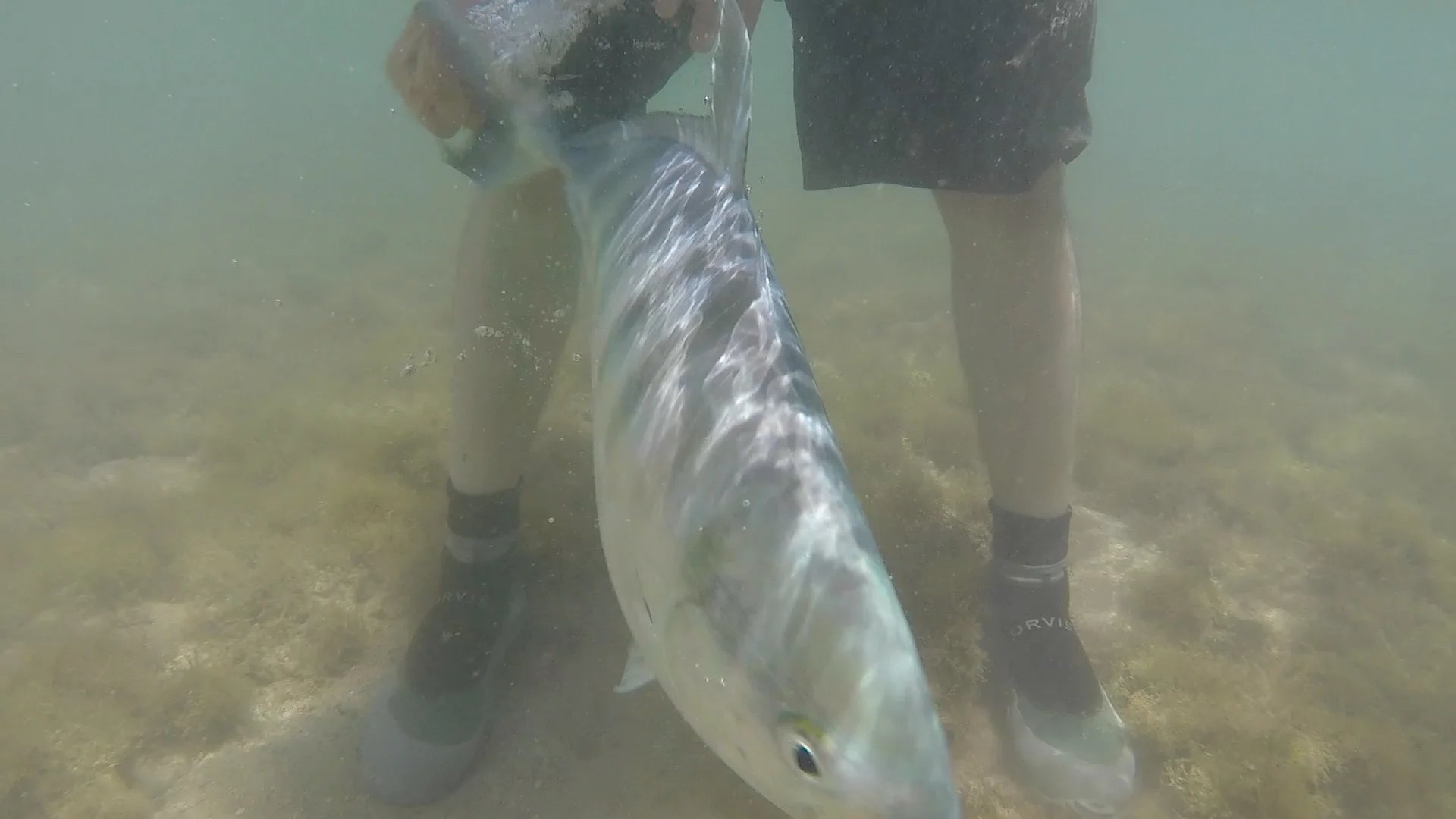
Over the years, I’ve fished with countless brands of fly reels, primarily 8-weight setups targeting Hawaii’s giant bonefish. Some reels have performed exceptionally well, while others have been complete disappointments. Through years of experience, I’ve learned that an expensive reel doesn’t necessarily mean a better reel.
When choosing a saltwater fly reel, two features matter most: a powerful, reliable drag system and protection against saltwater intrusion.
Drag Strength: Maintaining Control of the Fish
One of the most important features of a good saltwater reel is its ability to generate enough drag pressure to slow down or stop a powerful fish. Ideally, when you tighten the drag completely, the spool should lock down or come very close.
This is particularly important when fishing for Hawaiian bonefish, which are known for their explosive runs and incredible strength.
Think about it. If your reel produces a maximum of only eight pounds of drag pressure, that’s the most resistance it can provide. When a powerful bonefish takes off, you need enough stopping power to maintain control.
There’s a fine line between applying too much pressure and not enough. Excessive drag can break your leader, while insufficient drag allows the fish to run uncontrollably. The key is having enough available drag pressure to adjust to the situation.
Unless you’re chasing a world record on light tippet, your goal should be to gain control of the fish as quickly as possible.
Allowing a bonefish to spool you means losing complete control. Even letting one run hundreds of yards increases the chances of your line becoming tangled around coral, rocks, or other underwater obstructions.
The longer the fish runs, the more opportunities there are for something to go wrong.
A quality reel should give you control over the fish, not leave you at its mercy.
Sealed Drag Systems: Keeping Saltwater Out
The second major consideration is the drag system’s resistance to saltwater.
Ideally, you want a fully sealed drag that prevents water, sand, and salt from entering the internal components. A properly designed sealed system generally requires less maintenance and is less likely to develop problems after repeated exposure to harsh saltwater conditions.
However, not every reel advertised as sealed is completely waterproof.
When saltwater enters the drag system, problems can develop. You might hear an unusual humming sound as line leaves the spool, followed by inconsistent resistance or pulsations. Instead of releasing line smoothly, the drag may begin grabbing, sticking, or suddenly stopping.
When you’re fighting a powerful fish, an unpredictable drag can easily result in a broken leader and a lost fish.
A fully sealed drag is generally my preference, but a partially sealed system can also be a good option if it’s easy to disassemble, clean, and maintain.
Some reels are advertised as sealed yet are nearly impossible for the average angler to service. If water gets inside, you may have no practical way to remove it without sending the reel back to the manufacturer.
That’s a pain in the butt, especially when you’re traveling or fishing regularly.
For that reason, I prefer a reel with either a dependable, fully sealed drag or a serviceable system that allows me to handle basic maintenance myself.
Price Doesn’t Always Equal Performance
I’ve tested plenty of reels over the years, from inexpensive models to some of the most expensive reels on the market.
Some have been outstanding. Others have been terrible. And a few of the high-end reels have been surprisingly disappointing.
A fancy finish, recognizable brand name, or expensive price tag doesn’t guarantee reliable performance when a giant bonefish takes off across the flats.
What matters is how the reel performs under pressure, how consistently the drag operates, and whether it can withstand repeated exposure to saltwater.
Before spending your money, read reviews and talk to experienced saltwater fly fishermen who actually put their equipment to the test.
Better yet, find a no-bullshit fisherman who will tell you exactly what works and what doesn’t.
Pay particular attention to reviews discussing drag strength, long-term durability, saltwater resistance, and maintenance. These are the things that matter after the excitement of buying a new reel wears off.
Final Thoughts
Choosing the right saltwater fly reel doesn’t have to be complicated.
You want a reel with enough drag pressure to control powerful fish, a smooth and consistent drag throughout the fight, and a dependable system that keeps saltwater from damaging its internal components.
If the drag isn’t fully sealed, make sure it’s easy to maintain and repair.
Above all, don’t assume the most expensive reel is the best.
When a giant Hawaiian bonefish takes off across the flats, the last thing you want to worry about is whether your reel can handle the fight.
A great reel isn’t defined by its price. It’s defined by its performance when you need it most.