The Ghetto Super Fly
/Written by Makani Christensen
Ghetto Super Fly – The Ultimate Versatile Flats Fly
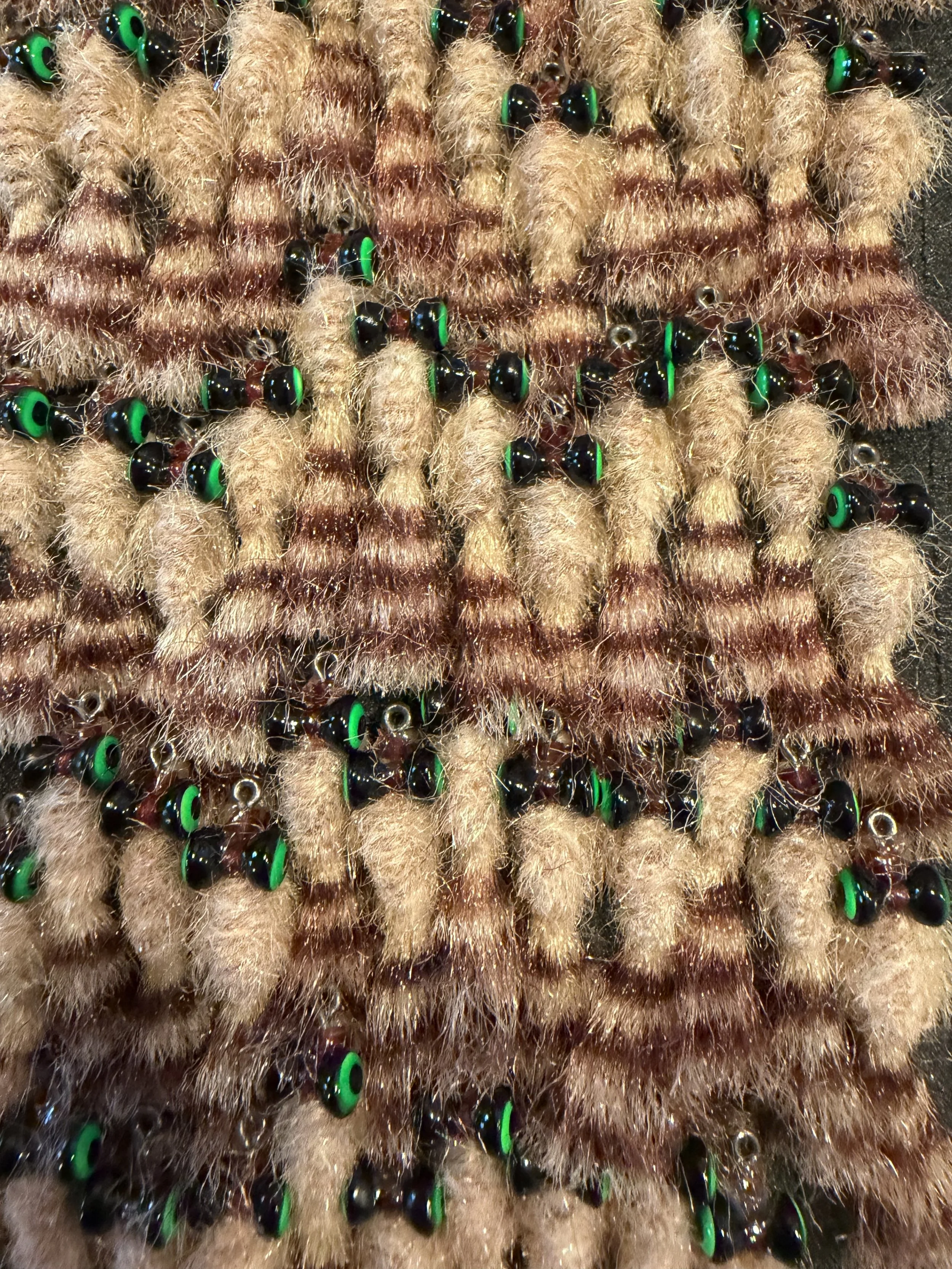
Designed by Makani Christensen, the Ghetto Super Fly imitates a mantis shrimp with a distinctive rectangular body that closely resembles the natural shape of the crustacean. Originally developed for Hawaiian bonefish, this fly has proven to be one of the most versatile flats flies on the market.
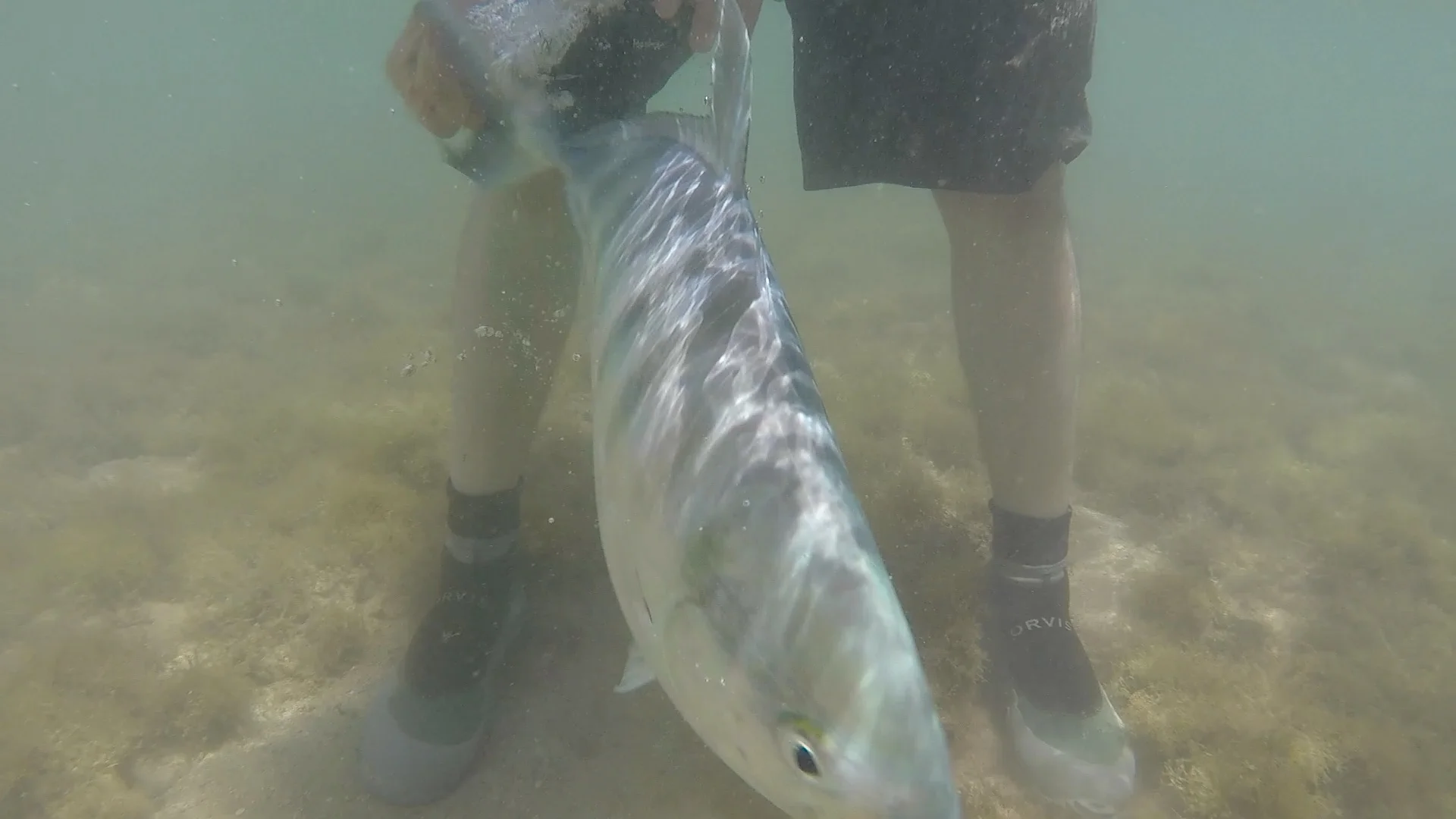
Although designed specifically for bonefish, the Ghetto Super Fly has successfully caught numerous species across the country, including tarpon, catfish, bass, carp, bonefish, trevally, redfish, drum, golden trevally, and many others. Its versatility makes it an effective pattern in a wide range of fishing environments.
Understanding Hook Size and Fly Weight
One important detail anglers should understand is that a size 4 hook is larger than a size 6 hook. In standard fly-hook sizing, the smaller the hook number, the larger the hook.
The Ghetto Super Fly is available in two sizes, each designed for different fishing conditions and presentations.
● Size 4 (1.5 grams): Larger hook, heavier fly, faster sink rate, and a bigger splash when it lands in the water.
● Size 6 (0.7–0.9 grams): Smaller hook, lighter fly, more delicate presentation, and a smaller splash when it lands in the water.
Choosing the right fly isn’t simply about hook size. Weight, water depth, visibility, current, and how close you need to cast to a fish are equally important.
Size 4 Ghetto Super Fly (1.5 Grams)
The weight of a fly matters!
The size 4 Ghetto Super Fly features a larger hook than the size 6 and weighs approximately 1.5 grams. This relatively heavy fly is designed to ride hook-point-up and sink quickly, making it particularly effective when fishing deeper water or challenging conditions.
It is well suited for fly fishing the flats of Maui, Lanai, Kauai, Oahu, and Hawaii Island. Its weight makes it an excellent choice for areas with strong currents, deeper flats, surf zones, and fishing from a flats boat.
Although this fly performs well in a variety of conditions, its weight requires careful consideration when fishing shallow water, commonly referred to as skinny water.
Because heavier flies create a larger splash when they hit the water, you may need to cast farther ahead of the fish to avoid spooking it.
The principle is simple: Smaller, lighter flies generally create smaller splashes, while larger, heavier flies create bigger splashes.
How close you can land a fly without spooking a fish depends on water depth, visibility, bottom composition, and the behavior of the fish. Understanding these variables and adjusting your presentation accordingly can make the difference between catching a fish and watching it disappear.
Size 6 Ghetto Super Fly (0.7–0.9 Grams)
The size 6 Ghetto Super Fly features a smaller hook than the size 4 and weighs approximately 0.7 to 0.9 grams. Its lighter weight makes it an excellent choice when conditions require a more delicate presentation.
When fishing for bonefish in low light or poor visibility, consider switching from the heavier size 4 to the lighter size 6.
Under these conditions, bonefish can appear unexpectedly close, sometimes within a rod’s length. When this happens, you must place the fly directly in front of the fish without creating enough disturbance to spook it.
The lighter weight allows for a softer landing, giving you a better opportunity to present the fly at close range.
Because the size 6 uses a smaller hook, make sure you execute a solid strip-set when the fish eats. A proper hook-set is essential to securing the fish.
While both sizes are effective for bonefish, the size 6 offers an advantage when you need to cast closer to fish without spooking them.
How to Retrieve the Ghetto Super Fly
One of the most important aspects of fishing the Ghetto Super Fly is understanding how to retrieve it.
Keep the fly moving!
When a fish begins following the fly, avoid stopping your retrieve. Maintaining movement helps preserve the illusion of a fleeing shrimp and can encourage the fish to commit to eating.
Pay close attention to how the fish reacts to the fly. You may need to speed up or slow down your retrieve depending on its behavior.
Some fish respond aggressively to a faster retrieve, while others require a slower, more deliberate presentation.
Learning to recognize these reactions and adjusting your retrieve is one of the most important skills in successful flats fishing.
Choosing the Right Fly Color
In theory, selecting a fly that contrasts with the bottom helps make it more visible to feeding fish.
Rather than always trying to match the color of the surrounding environment, consider choosing a color that stands out against the bottom.
White sand or light-colored bottoms: Use the brown Ghetto Super Fly. The darker color creates contrast against the light sand, making the fly easier for fish to detect.
Dark bottoms, reef, or rocky areas: Use the beige Ghetto Super Fly. The lighter color provides contrast against darker surroundings.
Water clarity, sunlight, depth, and bottom composition can all influence how visible your fly appears to a fish.
Experimenting with different colors and observing how fish react will help you determine which pattern works best under the conditions.
Final Thoughts
Designed by Makani Christensen, the Ghetto Super Fly may have been developed for Hawaiian bonefish, but its effectiveness extends far beyond the Hawaiian Islands.
Its unique mantis shrimp profile, hook-point-up design, and carefully selected weights make it a versatile fly for anglers targeting a wide variety of species.
Whether you’re sight-fishing for bonefish on shallow Hawaiian flats, fishing deeper water from a flats boat, or targeting other species across the country, choosing the correct hook size, fly weight, color, and retrieve can dramatically improve your chances of success.
The key to successful flats fishing isn’t simply choosing the right fly. It’s understanding how to present that fly under the conditions you’re fishing.