The Kurupt Hawaiian Fly
/Written by Makani Christensen
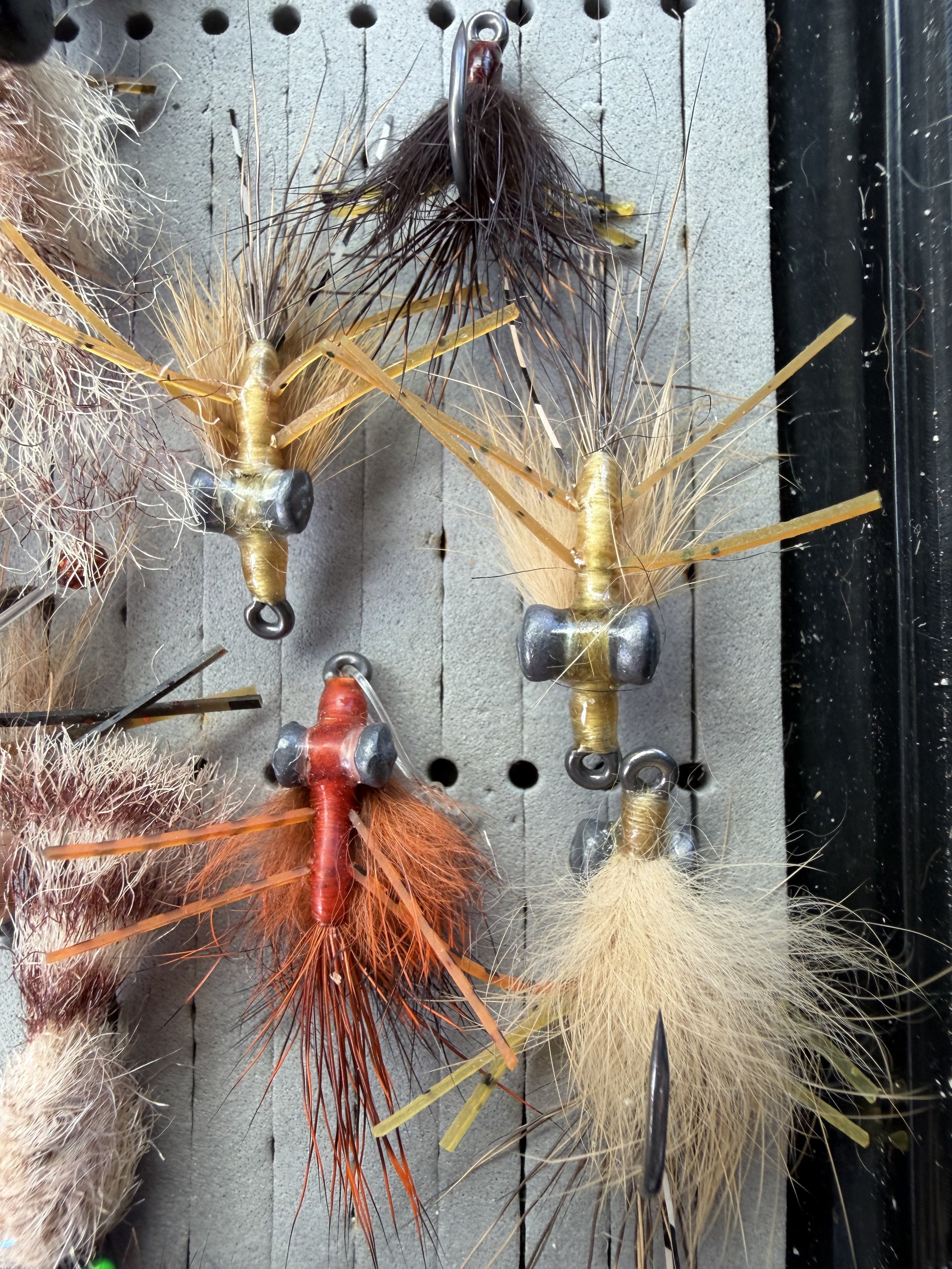
Kurupt Hawaiian Bonefish Fly
One Fly. Multiple Species. Proven Hawaiian Performance.
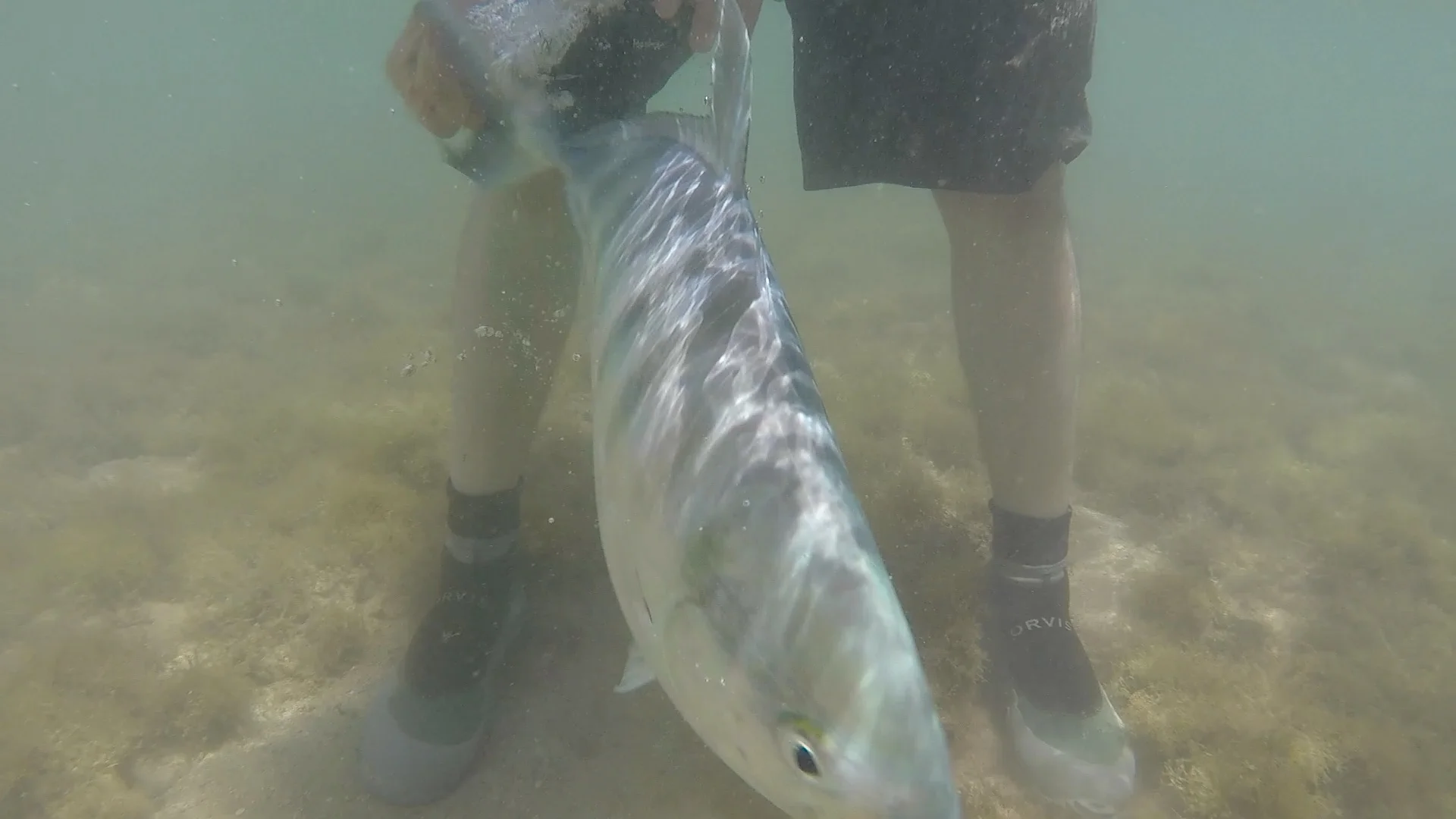
The Kurupt Hawaiian Bonefish Fly was designed by Elias, also known as Kurupt Hawaiian on Instagram. Elias developed a versatile fly pattern that he uses to target bonefish, golden trevally, and numerous other species. His fly has even hooked milkfish, one of the most challenging species to catch on a fly rod.
Designed to imitate a variety of crustaceans and other bottom-dwelling organisms, the Kurupt Hawaiian Bonefish Fly combines deer hair, rabbit fur, and legs to create a lifelike profile that moves naturally in the water and attracts the attention of feeding bonefish.
Unlike traditional fly patterns designed to closely imitate one specific species, the Kurupt Hawaiian Bonefish Fly incorporates characteristics of several organisms commonly found throughout Hawaii’s marine environment.
Available in various hook sizes, eye weights, and colors, this fly can be adapted to a wide range of fishing conditions, from calm, shallow flats to deeper water, strong currents, and surf zones.
What Does the Kurupt Hawaiian Bonefish Fly Imitate?
The Kurupt Hawaiian Bonefish Fly is designed to resemble a crustacean or other small bottom-dwelling organism that bonefish naturally encounter while feeding.
Rather than perfectly imitating one specific creature, the fly combines several materials to create the appearance of something alive and potentially edible.
Each material serves a particular purpose:
● Deer Hair: Creates the illusion of spines, ridges, or antennae commonly found on crustaceans and other marine organisms.
● Rabbit Fur: Absorbs water, opens up, and flows naturally, giving the fly the appearance of a soft-bodied crustacean or sea cucumber.
● Legs: Add movement and a distinctive silhouette while helping the fly swim hook-point up.
Together, these materials create a fly that looks different from its surroundings while maintaining the natural movement and appearance of a living organism.
Why This Design Works
Bonefish rely on their ability to detect subtle differences in the sand, rocks, and reef while searching for food.
As bonefish swim across the flats, they constantly encounter objects and organisms that may represent potential food sources.
When a bonefish notices something unusual against the surrounding bottom, it may approach to investigate.
The Kurupt Hawaiian Bonefish Fly is designed around this behavior.
Rather than relying entirely on an exact imitation of a shrimp, crab, or other crustacean, the fly uses a combination of movement, texture, shape, and contrast to attract attention.
The flowing rabbit fur, protruding deer hair, and moving legs create a lifelike appearance that may trigger a bonefish’s natural curiosity and feeding response.
The concept is simple: Make the fly resemble a natural food source while giving it enough movement and contrast to attract a bonefish’s attention.
This design philosophy contributes to the fly’s versatility, allowing anglers to use the same basic pattern to target bonefish, golden trevally, and other species.
How to Fish the Kurupt Hawaiian Bonefish Fly
Presentation is everything when targeting Hawaiian bonefish.
Cast your fly at least one rod length ahead of the fish in its anticipated direction of travel.
The objective is to position the fly where the fish is likely to encounter it naturally without being startled by the fly landing on the water.
As the bonefish approaches and comes within visual range of the fly, give the fly a slight movement to attract its attention.
If the bonefish reacts to the fly, stop moving it.
Leave the fly in place while maintaining light tension on the line. Allow the fish to approach and take the fly naturally.
When you see or feel the fish take the fly, pull the fly line straight back to set the hook. This technique is known as a strip-set.
Avoid lifting your rod to set the hook, commonly called a trout set. A proper strip-set helps drive the hook into the fish’s mouth and reduces the likelihood of pulling the fly away before the hook is securely set.
Remember, Hawaiian bonefish are extremely wary. Proper fly placement, subtle movement, and patience are often more important than constantly stripping the fly.
Choosing the Right Fly Size and Weight
Not all fishing conditions require the same fly.
When ordering Kurupt Hawaiian Bonefish Flies, consider the specific locations and conditions where you intend to fish.
Water depth, current, wave action, bottom composition, and lighting conditions all influence which fly will perform best.
The weight of the fly is especially important because it determines how quickly the fly sinks, how well it stays near the bottom, and how much disturbance it creates when landing on the water.
XXS Eyes or Bead Chain Eyes — Shallow Water and Delicate Presentations
Recommended hook sizes: #8 and #6
Best for:
● Shallow flats and skinny water
● Little to no current
● Calm conditions with minimal wave action
● Low-light conditions
● Bonefish feeding at close range
Smaller, lighter flies create a softer impact when they land on the water. This allows anglers to cast closer to bonefish without spooking them.
In shallow water, where bonefish are particularly sensitive to noise and movement, a lighter fly can be a tremendous advantage.
These flies are especially effective when fishing calm flats or when the fish are close and there is little room for error.
XS or Small Eyes — Moderate Currents and Deeper Flats
Recommended with larger hook sizes when appropriate
Best for:
● Moderate to stronger currents
● Slight wave action
● Intermediate water depths
● Brighter lighting conditions
● Fish that require longer presentations
As currents increase and water becomes deeper, additional weight helps the fly reach the bottom and remain in the feeding zone.
However, heavier flies create a louder impact when they hit the water. Because of this, anglers should cast farther ahead of the fish to avoid spooking them.
Under brighter lighting conditions, anglers can often spot bonefish from greater distances, providing more time to anticipate their direction of travel and properly position the fly.
The heavier the fly, the more important your casting distance and presentation become.
Large or XL Eyes — Deep Water, Strong Currents, and Surf Zones
Best for:
● Deeper flats
● Strong currents
● Heavy wave action
● Surf zones
● Areas where the fly must sink quickly
● Maui flats and other challenging Hawaiian fishing environments
Large and XL eyes provide the additional weight necessary to get the fly down quickly and help keep it near the bottom in moving water.
These flies are particularly useful when fishing the flats of Maui, where currents, water depth, and wave action can make it difficult to keep lighter flies in the feeding zone.
In these conditions, a fly that is too light may drift away or remain suspended above the bottom, reducing the opportunity for a bonefish to find and eat it.
Heavier flies help maintain contact with the bottom, but anglers must compensate for the louder impact by casting farther ahead of approaching fish.
Choosing the Right Fly Color
Fly color should be selected based on the bottom composition and environmental conditions.
Over the years, we have developed our own theories about fly color selection through extensive experience fishing Hawaiian flats.
These recommendations are based on our observations and personal fishing experience rather than strict rules. Bonefish behavior varies, and experimentation is always encouraged.
Beige or Tan — Darker Bottoms
We recommend beige or tan flies when fishing over darker bottom compositions.
These colors provide contrast against darker substrates and may make the fly easier for bonefish to detect.
Brown or Black — Lighter Bottoms
Brown and black flies are recommended when fishing over lighter-colored bottoms, including sandy flats.
The darker profile creates contrast against the lighter substrate, potentially making the fly more noticeable to feeding fish.
Red or Orange — Versatile Colors
Red and orange are among our most versatile color choices.
We consider these colors excellent all-around options that can be effective across a wide variety of bottom compositions and fishing conditions.
When you’re uncertain which color to select, red or orange can be a good starting point.
Green — Freshwater Influence and Algae-Covered Crabs
Green flies can be particularly effective in areas influenced by freshwater runoff or where crabs have green algae growing on their shells.
In these environments, green may help imitate the natural appearance of local prey.
Observing the surrounding habitat and the appearance of the crabs and other food sources can help anglers select a more appropriate fly color.
Final Recommendations
The right fly is determined by the conditions, not simply by the species you’re targeting.
When selecting your Kurupt Hawaiian Bonefish Flies, remember these fundamental principles:
1. Shallow water and calm conditions: Choose smaller hooks and lighter eyes for a softer, more delicate presentation.
2. Moderate depths and currents: Increase fly weight to help maintain contact with the bottom.
3. Deep water, strong currents, and heavy waves: Use Large or XL eyes to get the fly down quickly and keep it in the feeding zone.
4. Bright conditions: Take advantage of increased visibility to spot fish earlier and cast farther ahead of them.
5. Fly color: Consider bottom composition, available light, and the natural prey found in the area.
6. Presentation: Lead the fish, move the fly just enough to attract attention, and allow the fish to take it naturally.
Hawaiian bonefish are among the most challenging fish to catch on a fly rod. Success requires understanding fish behavior, reading water conditions, selecting the appropriate equipment, and making accurate presentations.
The Kurupt Hawaiian Bonefish Fly offers anglers a versatile pattern capable of handling a wide range of conditions and targeting multiple species throughout Hawaii.
Choose the right weight, select the right color, and most importantly, make the right presentation.