Low light Low Visibility-The Art of Presenting a Fly While Fishing for Bonefish
/Low Light and Visibility
When I’m fishing on an overcast day and visibility is limited to ten yards or less within a 20-degree cone, I’ll use small, lightweight flies. Bonefish can suddenly appear within a rod’s length, leaving only seconds to identify their direction of travel and make an accurate cast.
A heavy fly landing too close can spook a bonefish. Smaller flies with bead-chain eyes create less disturbance on the water’s surface, allowing for a softer presentation when casting at close range.
Fishing the Triangle at Keehi Lagoon
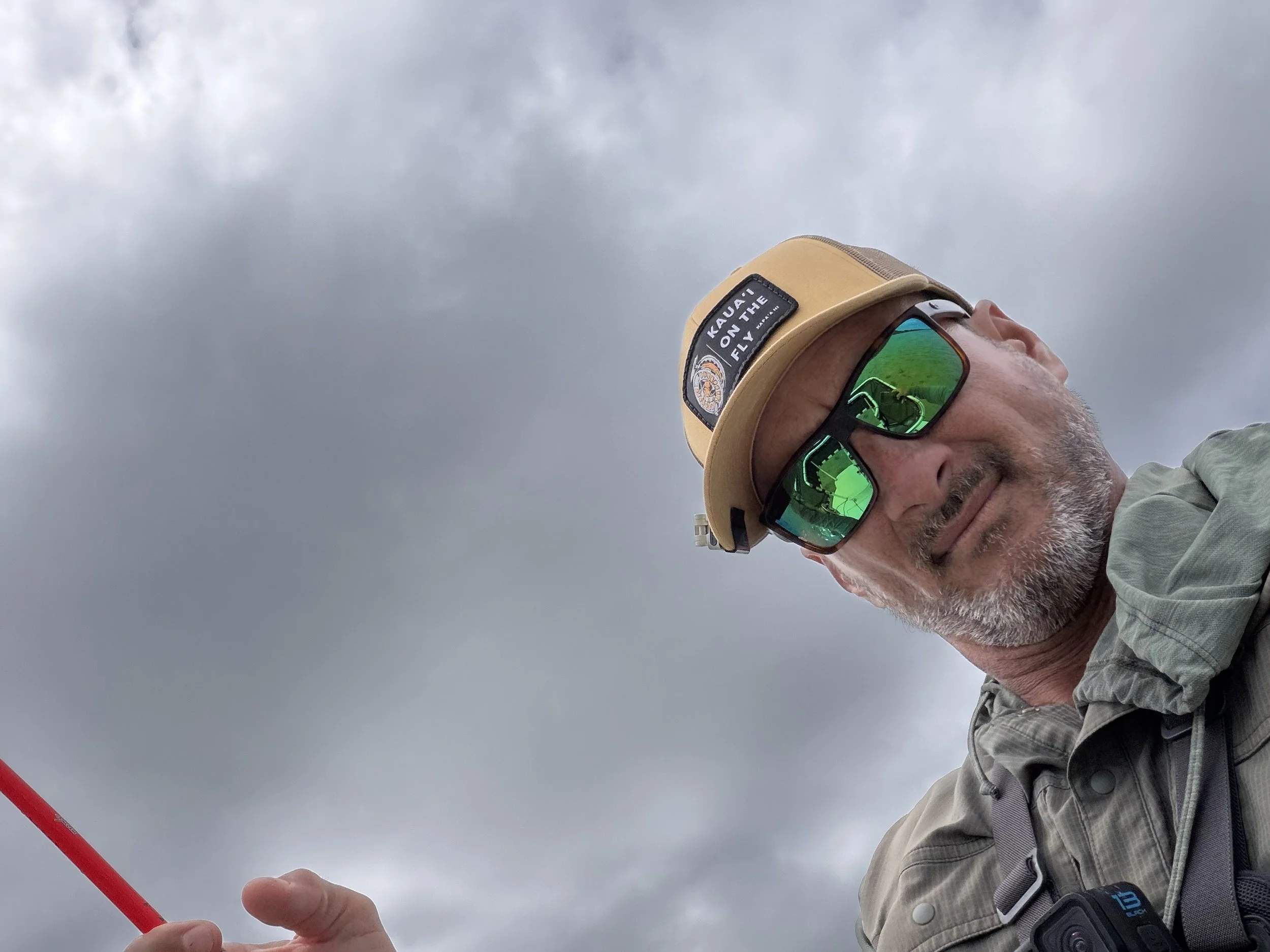
In November 2025, we experienced a week of overcast conditions while fishing a popular flat known as the Triangle in Keehi Lagoon. The tide was less than a foot, making the shallow flats accessible for wading.
The Triangle is located near Keehi Boat Ramp and La Mariana, with Honolulu International Airport bordering the surrounding area.
Before the airport’s reef runway was constructed, the flats extended toward the entrance of Pearl Harbor. The development of aviation, particularly the introduction of jet aircraft and construction of the reef runway, significantly changed the surrounding landscape.
During the late 1930s and early 1940s, Keehi Lagoon was dredged to create waterways for seaplanes. These channels provided access to maintenance facilities and allowed aircraft to take off under varying wind conditions.
Today, the flat is known as the Triangle because of its shape, formed by waterways extending in different directions.
The Triangle is well known within Hawaii’s fly-fishing community. As the late Ed Tamai used to say, “The Triangle is consistent.” Bonefish can be found there throughout the year, although certain seasons offer better opportunities for spotting them.
Access requires a boat, paddleboard, canoe, or another type of watercraft. The flat consists primarily of sand and mud, with scattered reef formations along its edges that drop into deeper channels originally created for seaplanes.
Adjusting to Poor Visibility
After the first day of fishing, I realized I needed to adjust the weight of my flies. The overcast conditions weren’t improving, and the limited visibility required a different approach.
In deeper water, spotting bonefish was difficult. However, in the shallows, we occasionally saw fish within a rod’s length, leaving almost no time to react.
I was fishing the Kurupt Hawaiian fly and decided to tie several versions with extremely small bead-chain eyes. The lighter flies allowed me to present them closer to the fish without creating excessive disturbance.
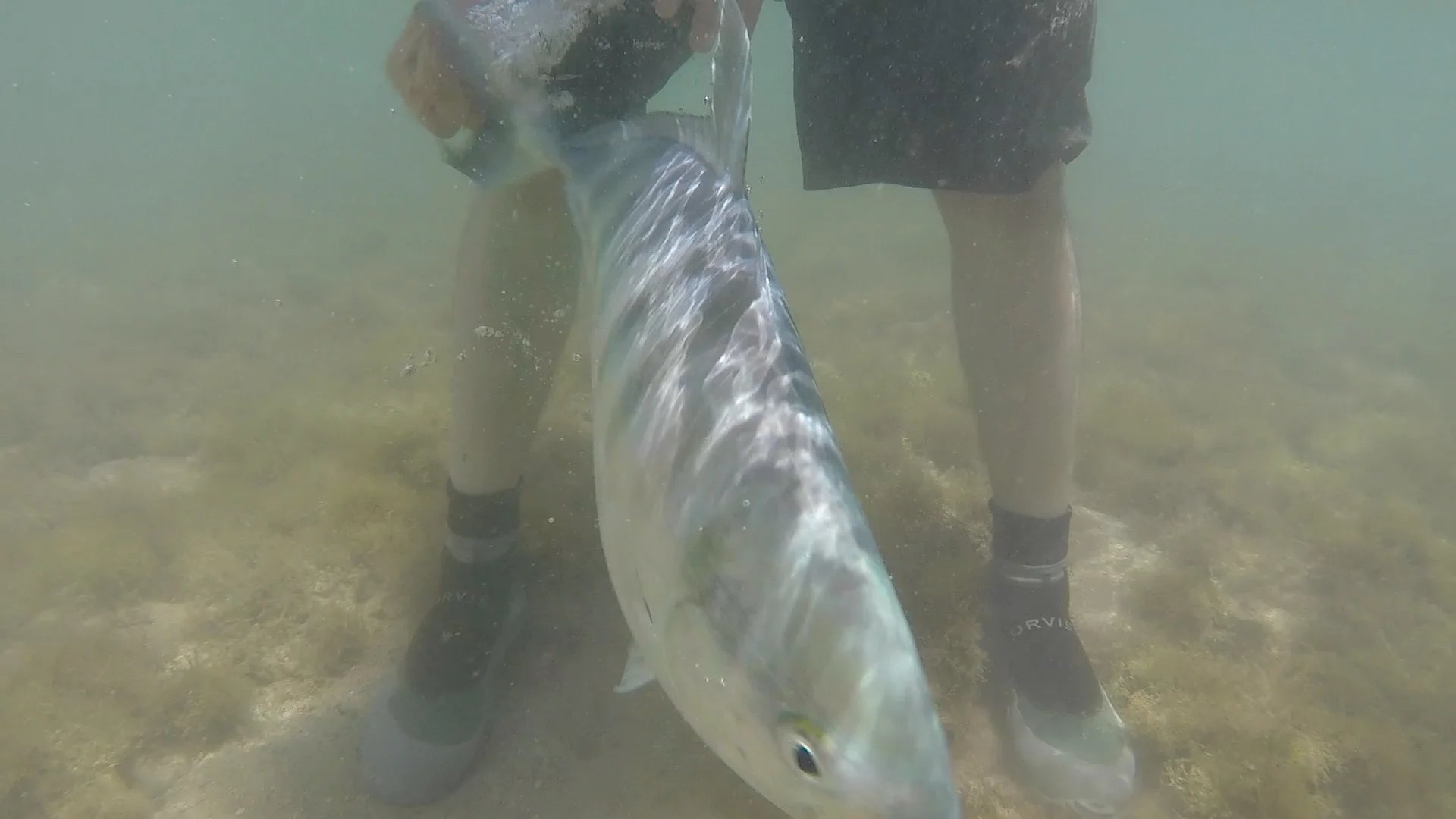
That adjustment made a difference. I caught several bonefish because I could place the fly where it needed to be, even when the fish appeared unexpectedly at close range.
I typically fish with a 25-pound-test leader, but the lighter flies required a change. I switched to 15-pound test because the thicker leader was too stiff and restricted the fly’s natural movement. The lighter leader allowed the fly to sit and move more freely in the water.
Lessons From the Flats
Fishing in poor visibility demands quick reactions, accurate casting, and an understanding of how your equipment performs under changing conditions.
On the Triangle, reducing the weight of my flies and adjusting my leader made the difference. Those small changes allowed me to fish effectively despite the overcast skies and limited visibility.
Sometimes, success on the flats comes down to recognizing what the conditions demand and making the necessary adjustments before the next bonefish appears.